Solutions: World-Class Monitoring
We can’t effectively manage what we don’t measure. Reliable, coordinated watershed monitoring is the foundation of good water management. Yet across B.C., gaps in monitoring mean that governments, First Nations, communities and industries often lack the information they need to understand changing watershed conditions and make informed decisions.
A world-class monitoring system would bring together consistent, long-term data on water quantity and quality, grounded in both Indigenous knowledge and Western science. This includes better information on streamflows, groundwater levels, seasonal conditions and overall water availability. By improving how we collect, share and use this information, we can better understand the health of our watersheds, identify emerging risks and make decisions before problems become crises.
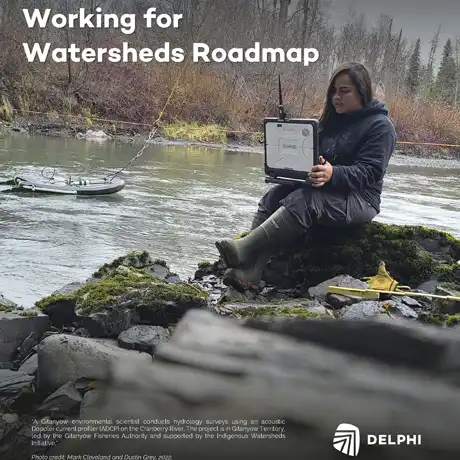
Better monitoring is not just about collecting more data. It is about ensuring the right information reaches the right people at the right time. This requires skilled people on the ground to monitor watershed conditions, analyze data and translate findings into action. Better information supports sound water management, helps communities and farmers plan for changing conditions, gives industry greater certainty and ensures public investments are directed where they are needed most.

Benefits of World-Class Monitoring
Investing in collaborative watershed monitoring delivers practical benefits across B.C.:
- Better Water Management: Reliable data on water quantity and quality helps decision-makers understand watershed conditions, identify pressures and manage water resources more effectively.
- Early Warning and Risk Prevention: Consistent monitoring and forecasting help identify emerging drought, flood and water quality risks before they threaten communities, ecosystems and infrastructure.
- Stronger Industry Planning: Timely, accessible information helps businesses understand local water availability, plan operations and investments, and manage water-related risks.
- Transparency and Regulatory Certainty: Consistent monitoring and public reporting of major water users builds confidence in water management decisions and provides greater clarity for communities, governments and industry.
- Smarter Public Investment: Better information helps governments and communities identify where restoration, conservation and infrastructure investments are most needed, and measure whether those investments are working.
- Local Skills and Employment: Monitoring programs create opportunities for field technicians, Indigenous Guardians, hydrologists, data analysts and other skilled watershed professionals, building local capacity and long-term employment across B.C.

What Will it Take?
- A Coordinated Provincial Monitoring and Forecasting Network: The BC government needs to work with First Nations, local governments, researchers and other partners to build a coordinated, long-term watershed monitoring system. This means expanding monitoring coverage, addressing gaps in existing data, and establishing consistent approaches to measuring water quantity and quality. Monitoring and forecasting should include streamflows, groundwater levels, seasonal conditions and water availability.
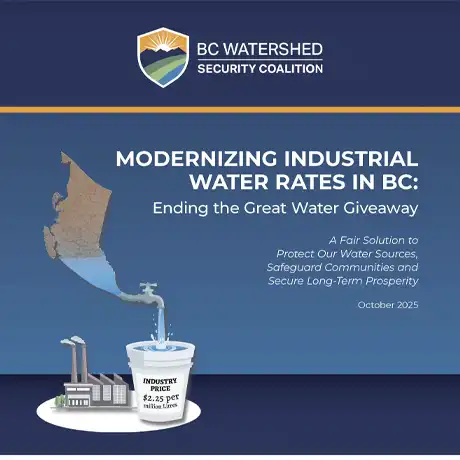
- Open Access to Reliable, Timely Data: Water data needs to be accessible, understandable and shared across governments, communities, researchers and water users. This includes transparent streamflow, groundwater and seasonal drought data and forecasts, as well as public water-use reporting for major industrial users. Better data sharing will help communities make informed decisions and build confidence in how water is managed
- Long-Term Funding and Local Capacity: Monitoring requires sustained investment in equipment, technical expertise, trained local workers and ongoing data collection. Growing the Watershed Security Fund and supporting partnerships with First Nations and local watershed organizations can help build the long-term capacity needed to maintain monitoring programs and turn information into action.